

The Rise of Lifestyle-Led Living in Navi Mumbai: Why Buyers Are Prioritising Community Over Carpet Area
For years, homebuyers in Navi Mumbai evaluated properties through one primary lens, carpet area. Bigger was better. More square footage meant better value, stronger status, and long-term appreciation.
But 2026 has brought a clear shift.
Today’s buyers, especially millennials, young families, and upwardly mobile professionals, are asking a different question. Not “How big is the flat?” but “How does this place make my life better?”
Across Navi Mumbai, lifestyle-led living is redefining residential demand. Buyers are now prioritising community spaces, amenities, security, wellness infrastructure, and neighbourhood ecosystems over just interior square footage.
This transformation is not a trend. It is a structural shift in how people define home.
The Shift from Space to Experience
Earlier, homebuying decisions were largely driven by:
- Carpet area
- Price per square foot
- Location proximity to workplace
- Basic infrastructure
Today, the evaluation checklist looks very different:
- Clubhouse and social infrastructure
- Wellness amenities
- Open green spaces
- Gated security
- Community culture
- Work-from-home flexibility
- Child-friendly ecosystems
Buyers are realising that an additional 150 sq. ft. inside the home does not necessarily translate into a better life. But access to landscaped gardens, co-working lounges, sports courts, and social interaction spaces absolutely does.
Why Navi Mumbai Is Leading This Shift
Navi Mumbai is uniquely positioned for lifestyle-led living because of its planned infrastructure, wider roads, organised sectors, and scope for integrated developments.
Unlike congested micro-markets, Navi Mumbai allows developers to create:
- Larger podium spaces
- Multi-level amenities
- Integrated residential-commercial ecosystems
- Walkable internal layouts
Nodes such as Kharghar, Ulwe, Panvel, and Taloja are witnessing projects that focus on community-first design rather than just vertical construction.
This is especially appealing to:
- First-time homebuyers
- NRI investors
- Nuclear families
- Entrepreneurs working remotely
Post-Pandemic Psychology: The Big Catalyst
The pandemic permanently changed buyer psychology.
People experienced:
- Work from home becoming normal
- Isolation in small apartments
- The need for fresh air and open space
- The importance of neighbour networks
- Mental health awareness
As a result, homes are no longer sleeping spaces. They are workplaces, wellness centres, social hubs, and personal sanctuaries.
Community-driven projects offer:
- Jogging tracks
- Meditation decks
- Co-working zones
- Kids’ play areas
- Senior citizen seating spaces
- Multipurpose halls
Buyers now see these not as luxury add-ons but as essential infrastructure.
Community as a Value Multiplier
From an investment perspective, lifestyle projects are proving stronger in long-term value retention.
Why?
- Higher resale demand
- Better tenant quality
- Stronger rental yields
- More stable appreciation
A well-maintained, amenity-rich community naturally attracts aspirational buyers. Social infrastructure creates stickiness. Residents are less likely to move out because the ecosystem supports their lifestyle.
In contrast, large standalone buildings with minimal amenities struggle to create emotional attachment.
The Rise of “Vertical Communities”
Modern projects are being designed like vertical townships.
Features increasingly in demand:
- Podium-level gardens
- Infinity pools
- Gym and yoga studios
- Mini theatres
- Indoor games zones
- Co-working lounges
- Café-style seating areas
- EV charging stations
These amenities encourage daily interaction, networking, and relationship building.
Buyers are not just purchasing apartments. They are buying into a lifestyle brand.
Younger Buyers Are Redefining Priorities
Millennial and Gen Z buyers are shaping this shift.
Their priorities:
- Work-life balance
- Health and wellness
- Social networking
- Sustainable living
- Smart home integration
They are more willing to compromise slightly on carpet area if the overall lifestyle offering is strong.
For them, a 950 sq. ft. home in a vibrant gated community is often more desirable than a 1,150 sq. ft. unit in a basic standalone building.
Experience is outweighing raw size.
Safety and Security as Core Factors
Community living also offers enhanced security, which is increasingly non-negotiable.
Key expectations include:
- 24/7 surveillance
- Gated entry
- Video door phones
- Access-controlled lobbies
- Dedicated security personnel
For families with children and elderly members, this ecosystem provides peace of mind that independent buildings cannot match.
Social Capital Matters More Than Ever
One of the most underrated aspects of lifestyle-led living is social capital.
Living in a well-designed community creates:
- Networking opportunities
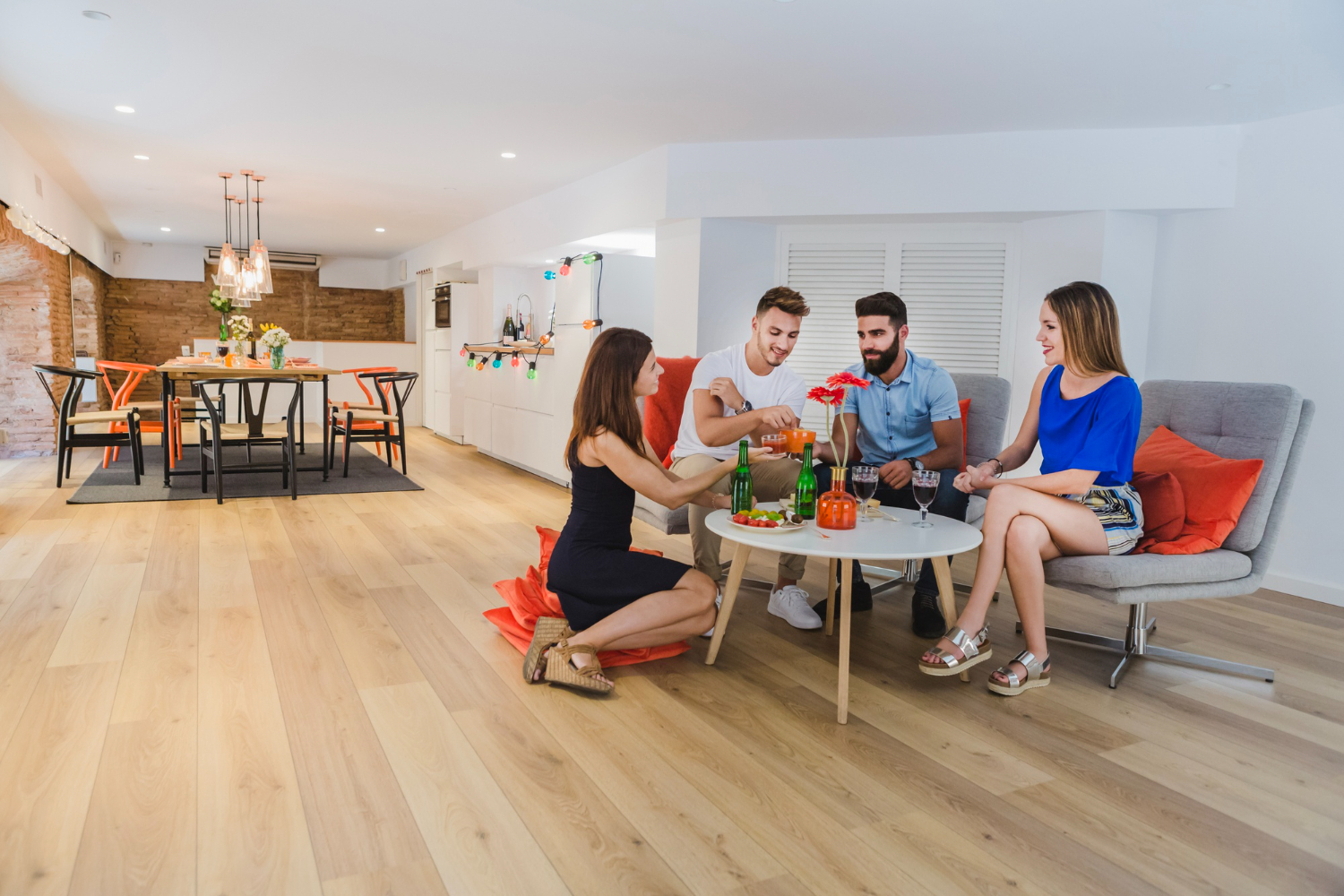
- Shared celebrations
- Collective events
- Cultural engagement
- Stronger neighbour relationships
This is especially valuable in urban settings where isolation is common.
A vibrant community becomes an extension of the home itself.
Developers Are Responding Strategically
Developers in Navi Mumbai are clearly adapting to this demand shift.
Instead of marketing only square footage, brochures now highlight:
- Amenity decks
- Clubhouse specifications
- Green cover percentage
- Community programming
- Lifestyle imagery
Project positioning has evolved from “2 BHK in prime location” to “Elevated lifestyle with curated community living.”
This repositioning reflects real buyer demand, not just branding.
The rise of lifestyle-led living in Navi Mumbai signals a fundamental change in buyer mindset. Today’s homebuyers understand that life is lived beyond the four walls of an apartment. Community, wellness, security, connectivity, and shared spaces now define value more than raw carpet area. As Navi Mumbai continues to grow as a residential powerhouse, projects that prioritise experience, ecosystem, and emotional connection will lead the market.
For buyers, the question is no longer “How big is the home?”
It is “How big is the life I can build here?”
And increasingly, the answer lies in community-driven living.
